Furnace installation and replacement in Lawrenceville, GA means removing your old heating system and fitting your home with a properly sized new unit, whether that is a gas furnace, electric furnace, or high-efficiency heat pump, so your family stays comfortable when temperatures drop. A correct installation includes load calculations, duct assessment, safe venting, and a full startup check before the technician leaves.
Lawrenceville sits in the heart of Gwinnett County, and the housing stock here tells its own story. Neighborhoods that went up along the Alcovy Road corridor in the 1980s and 1990s often have older gas furnaces that have been patched along the way. Newer subdivisions spreading out toward the Tribble Mill area are more likely to have heat pumps, but even those systems eventually reach the end of their useful life. Whatever your setup, the question is the same: is it worth repairing again, or is it time to replace?
Georgia winters are mild compared to states farther north, but they are not nothing. A furnace that struggles through a cold snap in January, or that runs your gas bill up without keeping the house warm, is a problem worth solving now rather than in the middle of the next cold night.
Supreme Maintenance 4 You is based right here in Gwinnett County, and Lawrenceville is one of our primary service areas. We can get to you quickly, give you a straight answer about your options, and tell you the price before any work starts.
Supreme Maintenance 4 You is a family-owned and operated HVAC company, and that matters in the way we work. You are not dealing with a call center or a rotating crew of strangers. We are licensed and insured, so you are covered if anything unexpected happens during installation. We give you the price upfront, before work begins, so there are no surprises on the invoice. Lawrenceville is one of our primary service areas inside Gwinnett County, which means we can respond quickly and we know the housing stock, the duct configurations, and the heating challenges that come with homes in this area.
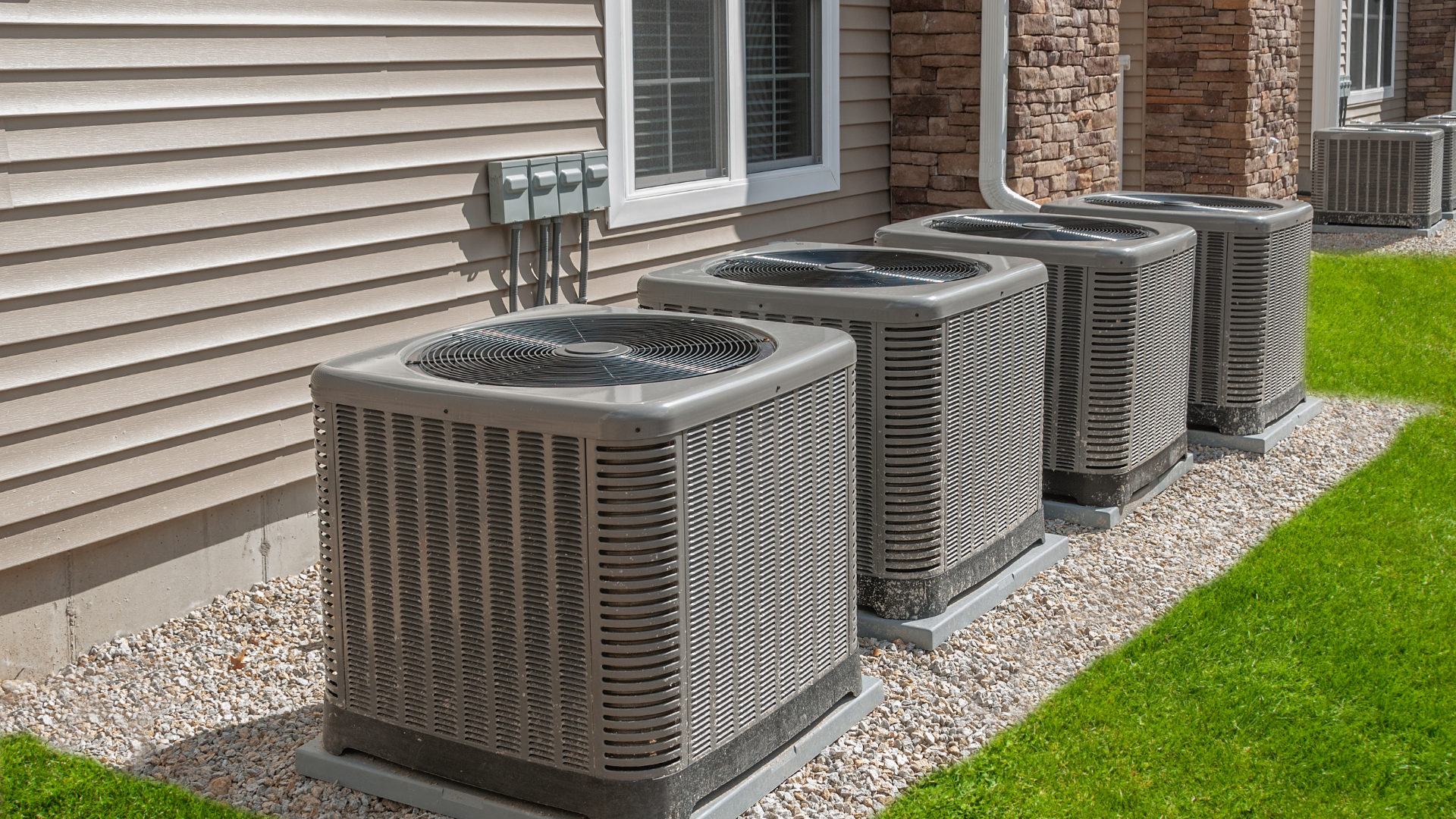
Most furnaces are built to last somewhere between 15 and 20 years. If yours is in that range or past it, the honest answer is that repairs are borrowing time. Parts get harder to source, efficiency drops, and the system is simply working harder than it should to heat the same square footage it once handled easily.
A cracked heat exchanger is a more urgent situation. This is the component that separates combustion gases from the air circulating through your home. When it cracks, carbon monoxide can enter your living space. If a technician has mentioned a cracked heat exchanger, that is not a repair, that is a replacement.
Uneven heating from room to room is another signal worth taking seriously. In a lot of the older homes along the Grayson Highway corridor, duct systems were sized for the original furnace. When the furnace starts to fail, some rooms get noticeably less heat than others. That is not a thermostat problem. It usually points to a system that can no longer deliver consistent airflow.
Rising winter gas or electric bills, without a change in how you use your heat, are a quieter warning sign. Furnaces lose efficiency as they age. You end up paying more to get less warmth. When repair costs are stacking up and the bills are climbing, a new furnace almost always makes more financial sense than another service call.
We start before we touch anything. A proper load calculation looks at your home’s square footage, insulation, window count, and layout to determine what size furnace will actually do the job. Bigger is not always better. An oversized furnace short-cycles, meaning it fires up and shuts off too quickly, which wastes energy and puts extra wear on the system. We also check your existing ductwork to make sure it can handle a new unit properly.
From there, we talk through your options in plain terms. Gas furnaces tend to cost less to operate when natural gas prices are stable. Electric furnaces have lower upfront costs in some cases but higher monthly operating costs in others. High-efficiency heat pumps are worth a real conversation, especially given that Lawrenceville’s winters are mild enough that a heat pump handles most heating days without a backup strip kicking in. We lay out the trade-offs honestly so you can decide what fits your home and your budget.
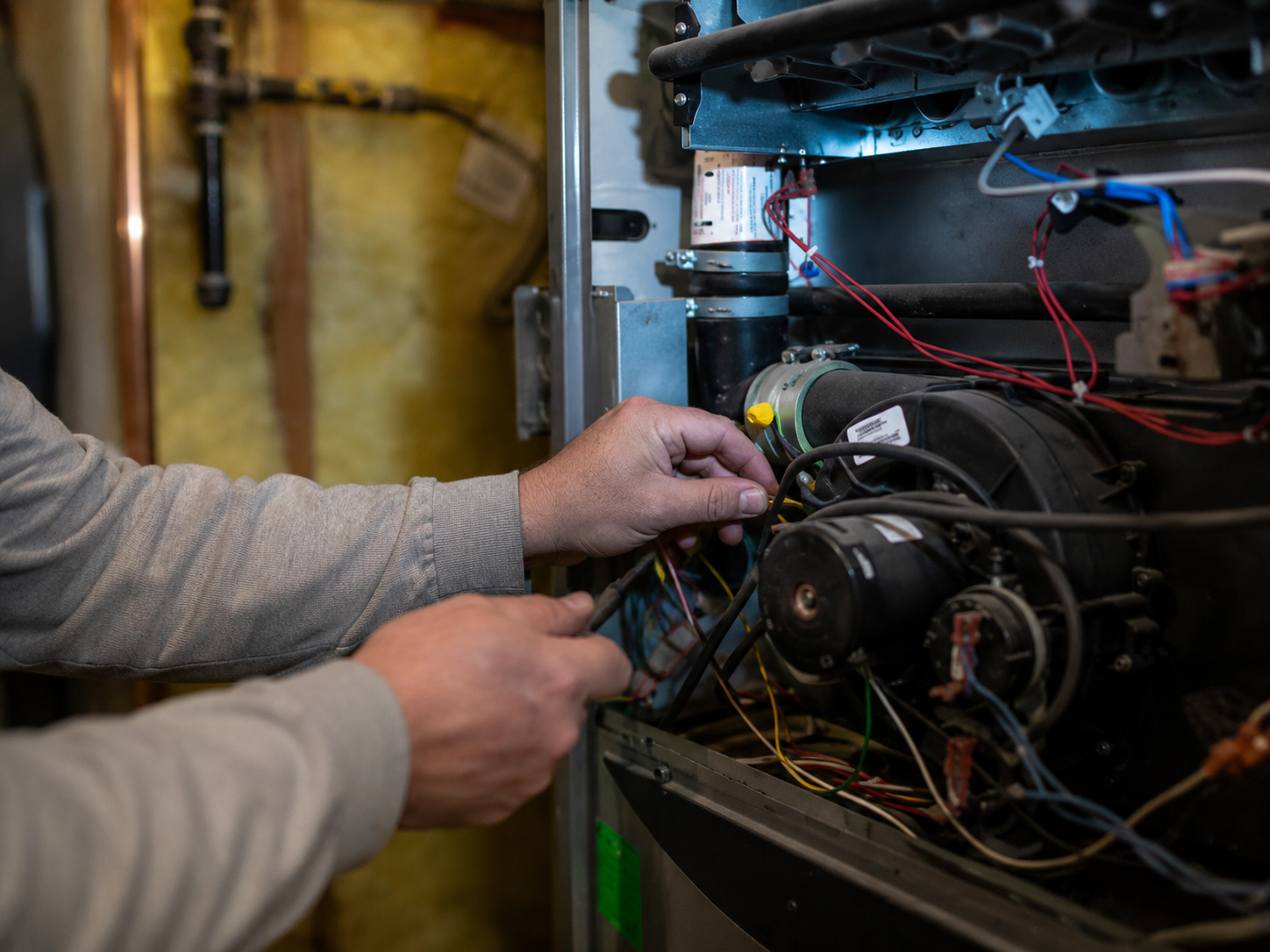
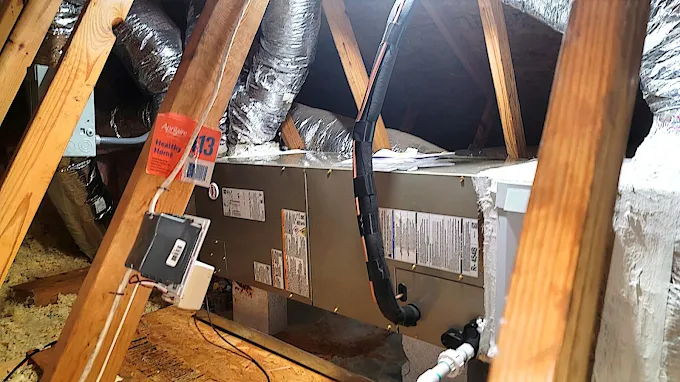
Once you choose a system, we remove the old furnace and handle disposal. Installation includes fitting the new unit, connecting gas lines or electrical as needed, setting up proper venting, and running safety checks on every connection. We do not hand you a running system and leave. We walk through the thermostat setup with you, confirm the system is heating evenly, and answer any questions before we go.
You know the price before any of this starts. That is not a policy we bend.
If you are trying to get a full picture of what Supreme Maintenance 4 You offers in Gwinnett County, our complete HVAC services page for Lawrenceville covers everything from seasonal tune-ups to full system replacements and explains how we work with homeowners across the area.
For homeowners who want to dig into the details of what a furnace replacement actually involves, including equipment options and what questions to ask before you commit, our furnace installation service page walks through the full process and what to expect from start to finish.
Lawrenceville summers are long, hot, and humid. The air conditioning system that keeps your home livable from April through October deserves the same attention as your furnace. If your AC has been struggling or has not been serviced recently, our AC repair service in Lawrenceville is handled by the same licensed team with the same upfront pricing.
We also serve homeowners in Snellville, Conyers, Buford, Winder, and Duluth. If you are not sure whether we cover your neighborhood, give us a call and we will tell you right away. No runaround.