Duct sealing is the process of finding and closing gaps, cracks, and disconnected joints in your home’s ductwork so that conditioned air reaches every room instead of leaking into your attic or crawlspace. For homeowners in Gwinnett, GA, it is one of the most direct fixes for uneven temperatures, high energy bills, and dusty rooms.
When your ducts are leaking, your HVAC system works harder than it should and still falls short. Rooms at the far end of the house stay stuffy in July and cold in January. Your utility bill climbs. The air filter loads up faster than normal. Sealing those leaks corrects the root problem rather than just masking the symptoms with a bigger system or a thermostat adjustment.
Supreme Maintenance 4 You is a family-owned HVAC company based right here in Snellville. We do this work across Gwinnett County and the surrounding communities, and we have seen firsthand how much of a difference properly sealed and insulated ductwork makes in a Georgia home, where the cooling season runs long and the heat and humidity are relentless.
Before any work starts, we give you a clear price. No surprises on the invoice, no pressure to add services you did not ask for. Just honest work from a licensed and insured team that treats your home the way we would want ours treated.
Supreme Maintenance 4 You is family-owned and operated, which means the people doing the work have a personal stake in getting it right. We are licensed and insured, so you are protected from the moment we show up. We give you upfront pricing before a single tool comes out of the truck. There are no hidden fees and no after-the-fact surprises.
For ductwork repair and sealing specifically, that transparency matters. This is work that happens in attics and crawlspaces, out of sight. You deserve to know exactly what was found, what was done, and what it cost. That is how we operate on every job.
Most homeowners do not think about their ductwork until something feels obviously wrong. By then, the leaks have often been wasting conditioned air for months or longer. Here are the signs worth paying attention to.
Some rooms never get comfortable, no matter what you set the thermostat to. If the bedrooms at the far end of the house are always too warm in summer or too cold in winter, the air is probably escaping before it gets there. The rooms closest to the air handler feel fine, but the ones farther away are a constant problem. That pattern almost always points to duct leakage somewhere along the run.
You hear whistling or rattling when the system runs. A low whistle from the wall or ceiling usually means air is forcing its way through a gap. Rattling or a flapping sound can mean a section of duct has come loose from its connection. Neither sound is normal, and neither goes away on its own.
Your house is dustier than it should be, and your bills are higher than you expect. These two things together are a strong signal. Leaky return ducts pull air from attics and crawlspaces, and that air carries dust, insulation particles, and debris straight into your living space. At the same time, your system runs longer to compensate for the lost air, which shows up on your power bill.
You can see gaps or disconnected sections in the attic or crawlspace. If you have ever looked up there and noticed a duct section that has pulled apart at a joint, or spotted daylight through a seam, that is a confirmed leak. Those visible gaps are often just a fraction of the total leakage in the system.
If any of these sound familiar, it is worth having the ductwork assessed before the next Georgia summer arrives.
We follow a logical sequence on every duct sealing job. Nothing gets sealed until we know exactly what we are dealing with, and nothing gets left unaddressed once we find it.
Duct inspection and leakage assessment. We start by walking the system. That means getting into the attic, the crawlspace, and any mechanical spaces where ductwork runs. We check every joint, every connection, and every section of flex duct for gaps, tears, and disconnections. We also look at how the system is performing as a whole, because leaks rarely happen in just one place.
Sealing and reconnection of leaky runs. Once we know where the leaks are, we seal them using the right materials for the location and duct type. Joints get properly reconnected and secured. We do not put tape over a problem and call it done. The goal is a repair that holds up through years of heating and cooling cycles.
Insulation of ducts in unconditioned spaces. Ductwork running through a hot Georgia attic or an unconditioned crawlspace loses a significant amount of heating and cooling to the surrounding air, even if there are no gaps. Where insulation is missing, damaged, or inadequate, we address it as part of the job so the air arriving at your registers is still the temperature it left the air handler.
Airflow balancing. After sealing and insulation work, we check that air is moving correctly through the system. If certain rooms were starved for airflow before, we confirm they are receiving what they should. The point of the whole job is a home that is comfortable from the front room to the back bedroom, and we do not wrap up until that checks out.
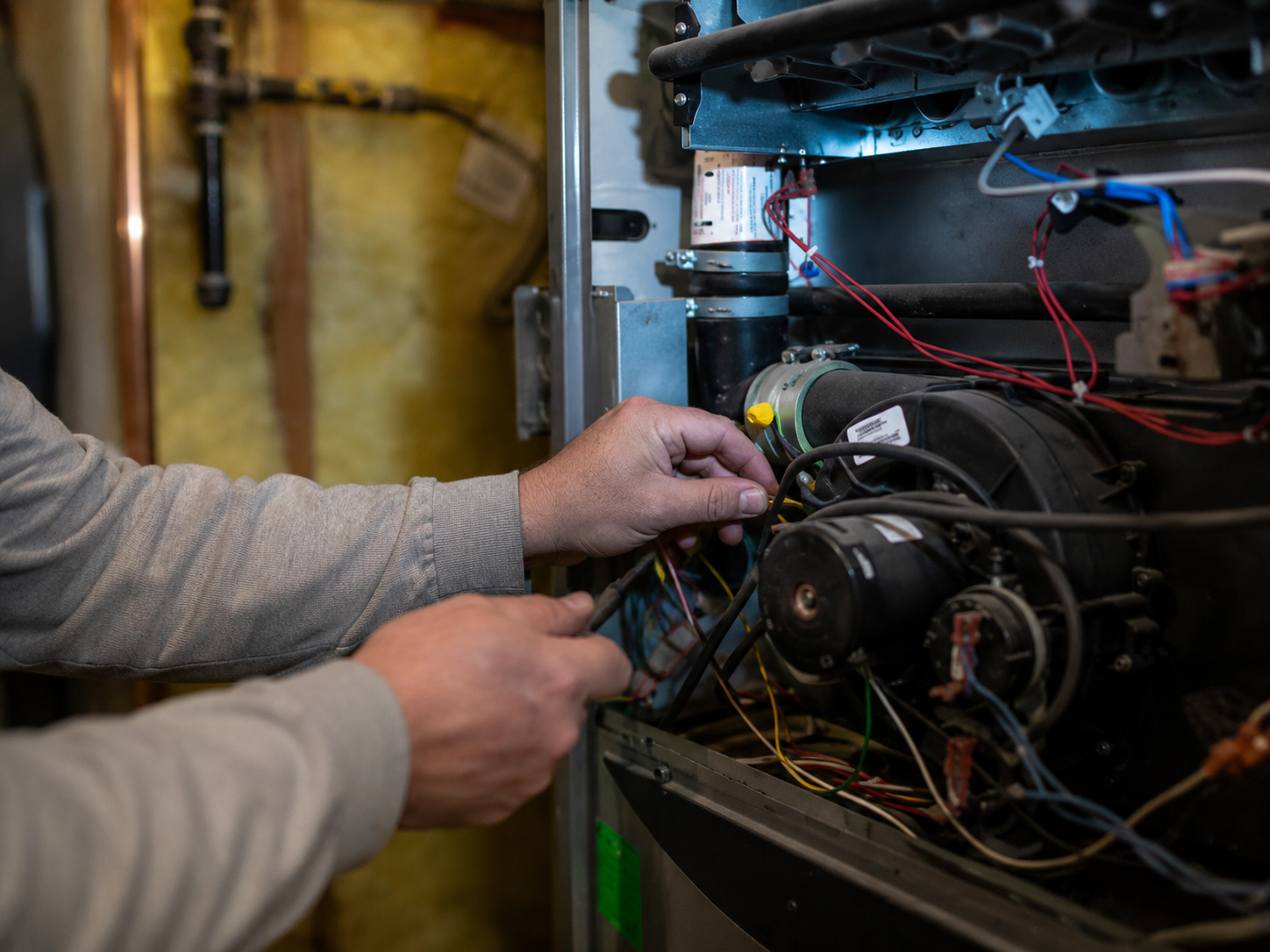
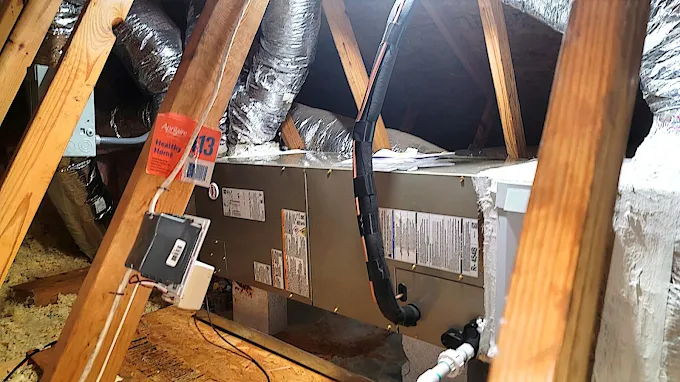
Supreme Maintenance 4 You serves homeowners throughout Gwinnett County and the communities around it. Whether you are in Snellville, Lawrenceville, or Duluth, the ductwork challenges are similar: older homes with original flex duct that has sagged and disconnected over the years, newer construction where connections were rushed, and attics that turn into ovens every summer and put stress on insulation and seals alike.
We also work regularly in Buford, Winder, and Conyers. Each of these areas has its own mix of home ages and construction styles, and we adjust our approach based on what we find rather than running through a fixed checklist. A ranch-style home in Conyers with ductwork in a vented crawlspace is a different job than a two-story in Buford with everything in the attic, and we treat them that way.
Duct sealing does not exist in isolation. If we find during an inspection that your cooling equipment itself needs attention, we can walk you through your options for air conditioning repair so you understand the full picture before making any decisions. And if your system is older and the ductwork issues are compounded by equipment that is near the end of its life, we can talk through what a new AC installation would involve.
Whatever the situation, the first step is getting eyes on the system. If you are ready to find out what is going on with your ductwork, reach out to schedule your duct inspection and we will get you on the calendar.